TL;DR
DC-area homeowners are switching to artificial turf because the region’s transition-zone climate makes natural grass a year-round struggle, while turf stays green through brutal summers and dormant winters alike. Add low maintenance, pet- and kid-friendly durability, and small urban yards where every square foot counts, and the appeal is clear. With 1,600+ projects and 3 million square feet installed, Capitol Turf Pros builds systems designed specifically for Mid-Atlantic conditions.
Drive through neighborhoods in Bethesda, Arlington, Capitol Hill, or Frederick, and you’ll spot them: lawns that look impossibly green in August, putting greens tucked into compact backyards, pet runs that stay pristine through the muddiest weeks of spring.
Artificial turf, once associated mainly with sports fields, has become a mainstream choice for homeowners across Maryland, Washington, DC, and Northern Virginia.
The numbers back up the impression: Capitol Turf Pros alone has completed more than 1,600 projects and installed over 3 million square feet of turf for 1,100+ clients across the region. This isn’t a coincidence, and it isn’t just a trend.
DC-area homeowners are switching to artificial turf in droves? Why? The area presents a specific combination of climate, lifestyle, and property challenges that artificial turf happens to solve unusually well.
Here’s what’s driving the switch.
The Mid-Atlantic Climate Is Hard on Natural Grass
The DC region sits in what turf scientists call the “transition zone” — too hot in summer for cool-season grasses to thrive, too cold in winter for warm-season varieties. The result is that no grass type is truly happy here. Cool-season lawns scorch and brown in July’s heat and humidity; warm-season lawns go dormant and tan from November through April.
Add in humid summers that breed fungus, sudden downpours that compact and erode soil, and the occasional drought with watering restrictions, and maintaining a consistently green natural lawn in this region becomes a genuine battle—one that many homeowners are deciding isn’t worth fighting.
Artificial turf sidesteps the transition-zone problem entirely.
With heat-resistant turf built to handle scorching summers, No Fade technology that blocks UV damage, and a drainage system engineered for sudden downpours, it’s green in August, green in February, and unaffected by humidity, fungus, or drought.
The Math on Maintenance Keeps Getting More Persuasive
A natural lawn in this region demands weekly mowing from April through October, not to mention fertilizing, aerating, overseeding, weed control, and watering. Homeowners either spend their weekends toiling away or pay a lawn service to handle things. Either way, the costs accumulate year after year, alongside rising water bills during the summer months.
Artificial turf flips the script.
After installation, maintenance amounts to an occasional rinse and brushing. No mowing, no chemicals, no sprinkler system, no spring recovery projects. It’s an environmentally friendly trade that also eliminates lawn-care emissions and runoff. While turf is a larger upfront investment, many homeowners find that the combination of saved time, eliminated lawn-care costs, and reduced water use makes the long-term picture compelling — especially given that quality turf systems are built to perform for well over a decade.
Smaller Urban and Suburban Yards Change the Calculation
Lot sizes in much of the DC area — rowhouse patios in the District, townhome yards in Alexandria and Silver Spring, compact suburban lots throughout the region — make turf especially practical and appealing.
Smaller spaces are harder on natural grass, not easier: concentrated foot traffic, shade from neighboring structures, and poor air circulation make these yards some of the most challenging places to grow grass.
Those same small spaces are ideal for turf. A compact yard can be transformed into a flawless green space, a putting green, or a play area at a reasonable cost, and every square foot becomes usable rather than off-limits mud or struggling grass.
For urban homeowners, turf often converts a neglected patch into the most-used “room” of the house — which is exactly why Capitol Turf Pros offers installations designed specifically for townhomes and small spaces.
Pets And Kids Are Leading the Charge — Literally
Talk to DC-area homeowners who are switching to artificial turf, and two reasons come up consistently: dogs and children.
Pet owners are done with muddy paws, brown urine spots, and dug-up flower beds. Parents want a clean, soft, consistent surface – artificial grass – where kids can play directly after rain without coming inside covered in grass stains and mud.
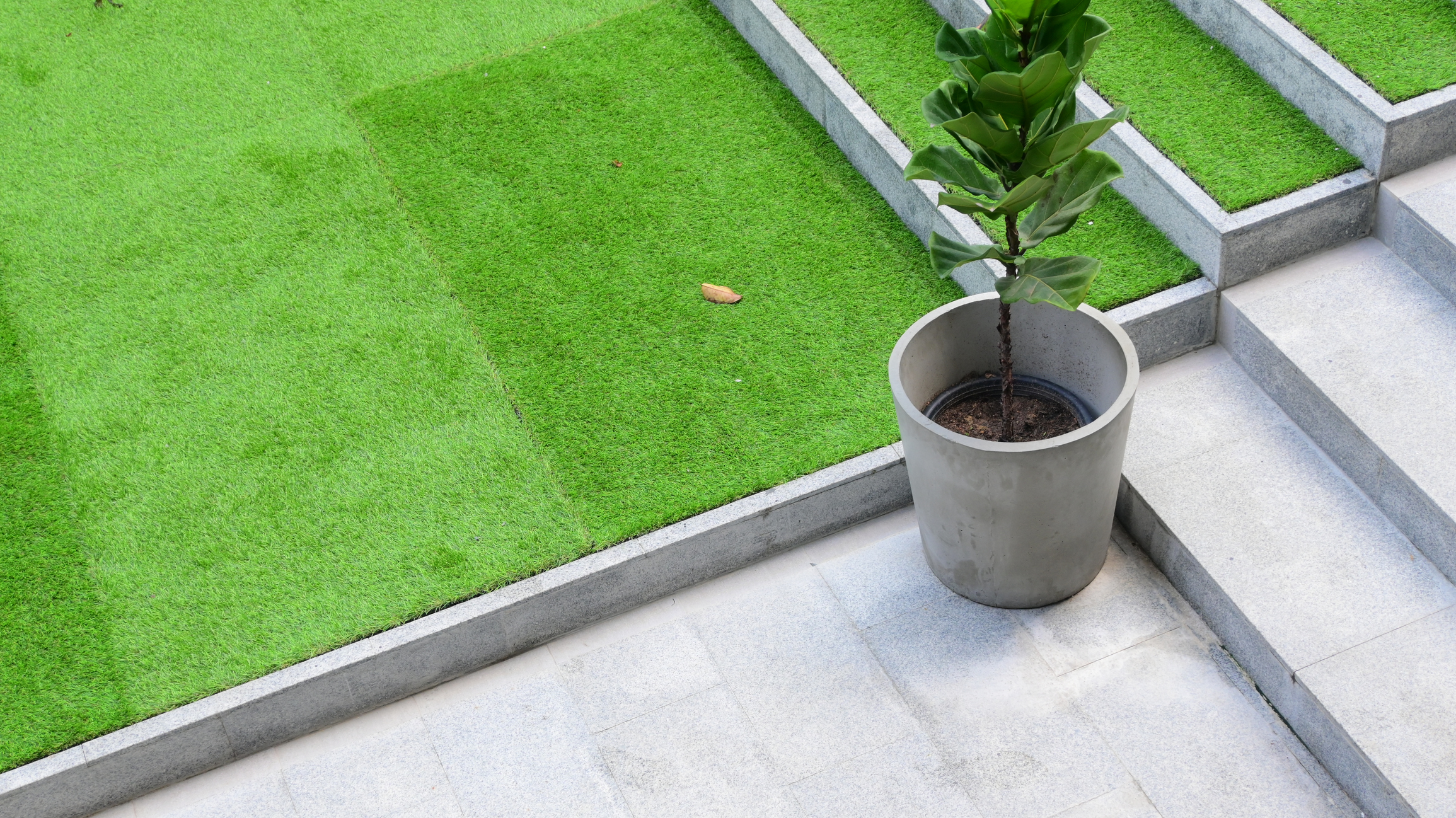
Turf delivers both. Pet runs drain quickly and rinse clean, urine doesn’t discolor the fibers, and antimicrobial turf keeps the surface cleaner and fresher between rinses. Playgrounds stay level, cushioned, and usable nearly every day of the year. Capitol Turf Pros designs systems specifically for these uses—pet runs, playgrounds, and family lawns each call for different turf products and base configurations.
The Product Caught Up to the Promise
Part of what’s driving adoption is simply that modern turf is dramatically better than what most people remember.
Today’s systems feature realistic multi-tone fibers, No Fade technology that prevents UV fading, heat-resistant turf with cooling polymers for summer comfort, and permeable, drainage-engineered construction that handles Mid-Atlantic storms.
The plastic-looking, obviously fake turf of decades past has given way to USA-made lawns that neighbors often can’t identify as synthetic until they’re standing on them.
Curb Appeal that Doesn’t Take a Season Off
In a competitive real estate region like Greater Washington, year-round curb appeal carries real weight. A turf lawn looks the same in a February listing photo as it does in June — no brown patches, no dormancy, no mud. For homeowners considering resale, a pristine, zero-maintenance lawn is a feature that shows well in every season — and Capitol Turf Pros' customizable designs ensure it looks intentional, not incidental.
Why Capitol Turf Pros?
The switch to turf is only as good as the installation behind it. With 1,600+ completed projects across the region, Capitol Turf Pros designs every system for this area specifically: premium USA-made turf with No Fade and heat-resistant technology, silica sand infill, and a drainage system built for Mid-Atlantic rain.
Whether it’s a full lawn replacement, pet run, putting green, or compact urban yard, each installation is customized to how the space will actually be used.
Curious whether turf makes sense for your property? Reach out to our team to start the conversation.
***
FAQ
Why is natural grass so hard to grow in the DC area?
The region sits in the “transition zone.” It’s too hot for cool-season grasses, too cold for warm-season ones. No grass type thrives here year-round, which is why local lawns struggle.
Is artificial turf worth the upfront cost?
Many homeowners think so. Eliminating mowing, watering, fertilizing, and lawn-service costs adds up over the system’s lifespan, which typically exceeds a decade.
Does turf work in small urban yards?
Exceptionally well. Small, shaded, high-traffic yards are the hardest places to grow grass—and Capitol Turf Pros offers installations designed specifically for townhomes and small spaces.
Is artificial turf good for homes with dogs?
Yes — pet runs are one of the most popular installations. The turf drains quickly, rinses clean, includes antimicrobial protection, and doesn’t develop urine spots or mud.
Does turf help with resale?
A lawn that looks perfect in every season photographs well and signals low maintenance to buyers, which can be an asset in the competitive DC-area market.
Get In Touch Request A Quote
Transform Your Space with Premium Synthetic Turf! Get Your Customized Quote Today – Contact Capitol Turf Pros at 301-482-1126 or Complete this Online Form for Expert Installation in MD, DC & VA!
"*" indicates required fields